Heat pumps are getting a lot of attention, and it is easy to feel lost in the jargon. Air source, ground source, air-to-air, air-to-water. Which one is which, and which one belongs in your home?
In this guide, BI-UK walks through the main types in plain English. We focus on the big question most homeowners ask: air source vs ground source heat pumps, and how to pick between them.
What Is a Heat Pump, Really?
A heat pump moves heat from one place to another. It does not burn anything. Instead, it collects low-level heat from the air, the ground or water, then boosts it and uses it to warm your home.
Because it moves heat instead of making it, it can deliver several units of heat for every unit of electricity it uses. That is why heat pumps are called efficient.
The Main Types at a Glance
There are a few different systems, and they work in different ways.
- Air source (air-to-water). Takes heat from the outside air and uses it to heat water for radiators, underfloor heating and hot water. This is the most common type in UK homes.
- Ground source. Collects heat from the ground through pipes buried in your garden or in boreholes.
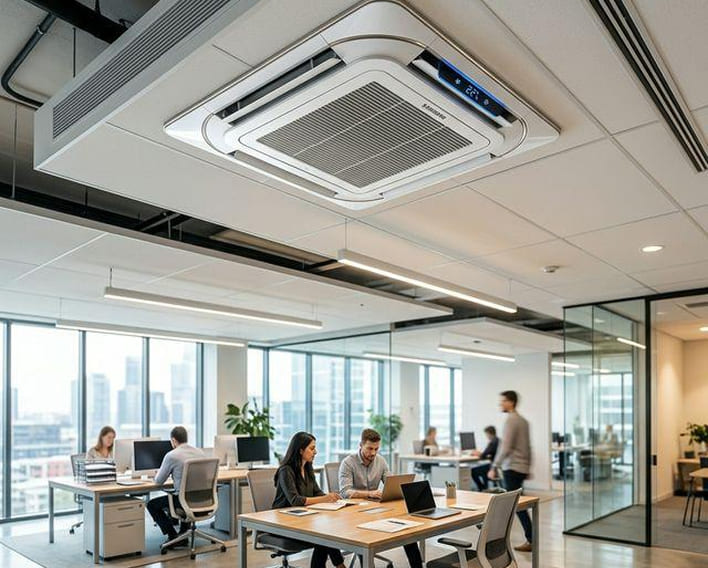
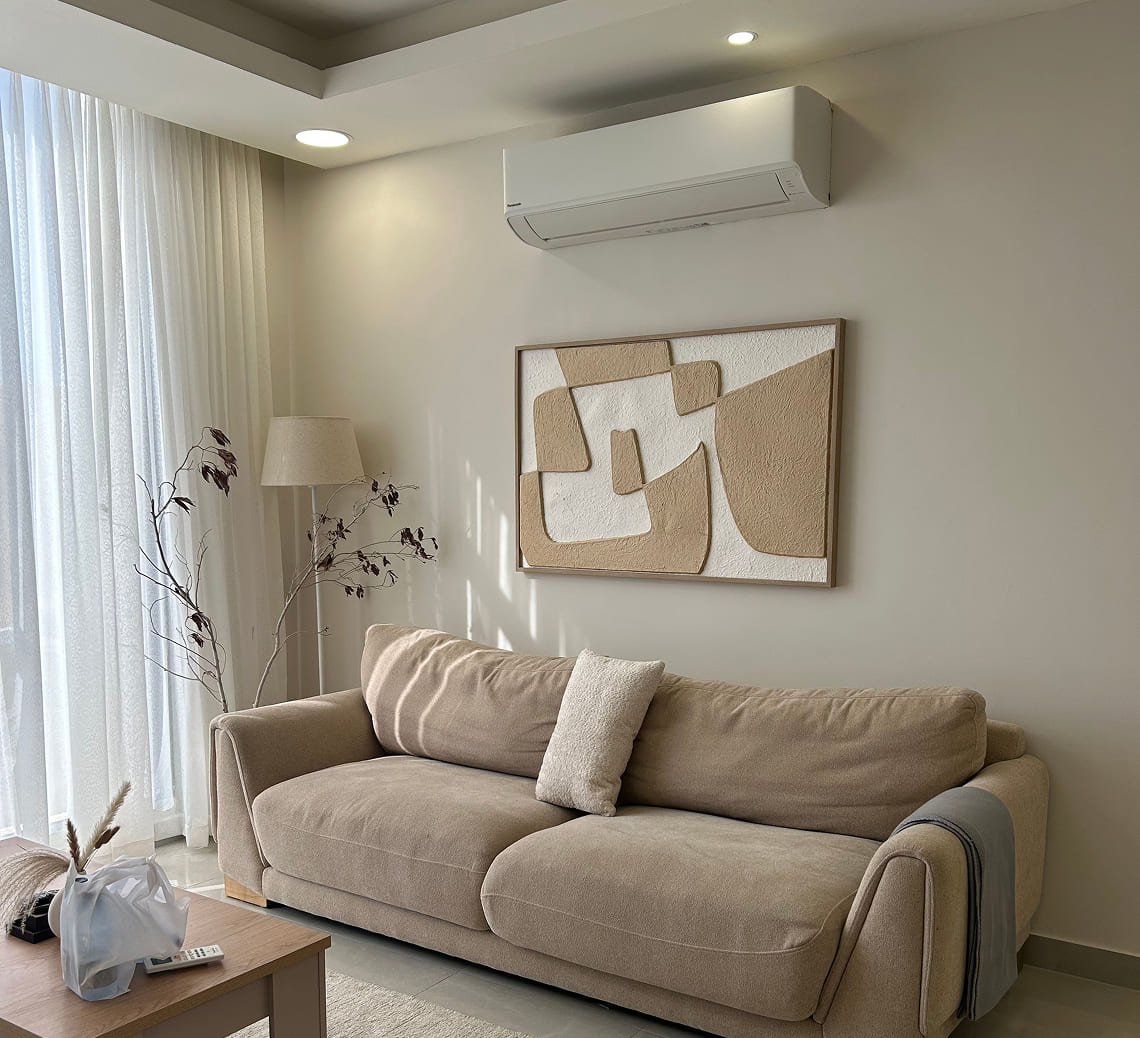
- Air-to-air. Takes heat from the outside air and blows warm air into your rooms. It does not heat water, but it can often cool in summer.
- Water source. Takes heat from a lake, river or well. It is rare and only suits certain properties.
For most households, the real choice comes down to the first two.
Air Source vs Ground Source Heat Pumps: The Basics
Both systems do the same job. They replace a gas or oil boiler and heat your home through radiators or underfloor heating. The difference is where the heat comes from.
How an air source heat pump works
A unit outside your home pulls in air, even on a cold day, and collects the heat from it. That heat is raised to a useful temperature and sent to your heating system and hot water tank.
The outdoor unit looks a bit like a large air conditioning box. It sits on a wall or on the ground.
How a ground source heat pump works
A network of pipes, called a ground loop, is buried in the ground. A liquid inside the pipes collects the heat stored in the earth. The ground stays at a fairly steady temperature all year, which helps the system run smoothly.
The loop can be laid flat in trenches, if you have a large garden, or dropped down deep boreholes if you do not.
Side-by-Side Comparison
These figures are rough UK guides, not quotes. Your own costs depend on your home.
| Air source | Ground source | |
| Typical installed cost | About £8,000 to £15,000 | About £15,000 to £35,000 or more |
| Government grant (England and Wales) | £7,500 | £7,500 |
| Space needed | A spot for the outdoor unit | A large garden, or boreholes |
| Disruption | Moderate | Higher, with digging or drilling |
| Efficiency | Good | Often a little higher |
| Typical lifespan | About 15 to 20 years | Unit about 20 to 25 years, ground loop much longer |
| Noise | A gentle outdoor fan hum | Very quiet, with no outdoor fan |
| Best for | Most homes | Larger plots, new builds and off-grid homes |
Air source is usually cheaper and simpler. Ground source often costs more up front, but it can be a little more efficient and last longer.
The Case for Air Source
Why do so many people go for air source?
- Lower cost. It is typically the cheaper option by a long way.
- Quicker to install. No digging up the garden.
- Fits most properties. You mainly need space for one outdoor unit.
- Well-proven. It is by far the most common type in the UK.
The trade-offs are fan noise outside and slightly lower efficiency in very cold weather.
The Case for Ground Source
Ground source suits some homes very well.
- Steady performance. The ground stays at a more constant temperature than the air.
- High efficiency. Often more efficient across the year.
- No outdoor fan. It is very quiet.
- Long-lasting ground loop. The buried pipes can last for decades.
The trade-offs are the higher cost, the need for space or boreholes, and the disruption to the garden during installation.
What About Air-to-Air?
Air-to-air systems are cheaper and simpler. They suit flats, extensions or homes without radiators. But they only heat the air in your rooms, so you would still need another way to heat water.
Since April 2026, they have qualified for a smaller government grant of £2,500 under the Boiler Upgrade Scheme.
Grants: What Is Available?
In England and Wales, the Boiler Upgrade Scheme gives £7,500 towards an air source or ground source heat pump. Homes heated by oil or LPG with no mains gas can claim £9,000 until 31 March 2027.
Your installer applies for the grant and takes it off your price. They must be certified under the Microgeneration Certification Scheme (MCS). Rules can change, so check GOV.UK for the latest.
Air Source vs Ground Source Heat Pumps: Which Should You Choose?
There is no single right answer. Work through these questions.
- What is your budget? If you want the lower upfront cost, air source usually wins.
- How much outdoor space do you have? A large garden opens up ground source. A small plot may rule it out, unless boreholes are an option.
- How long will you stay? Ground source costs more up front, so it suits people planning to stay for many years.
- How well insulated is your home? Both work best in homes that hold their heat.
- Are you building new? Ground source is easier to plan from the start, before the garden is landscaped.
- How much disruption can you accept? Air source is the quicker, tidier job.
For many homes, air source is the practical choice. A site survey will show what suits your property.
Questions to Ask Any Installer
- Do you carry out a room-by-room heat loss calculation?
- Are you MCS-certified?
- Does the quote show the grant deducted?
- What make and model are you proposing?
- What warranty and aftercare do you offer?
If an installer cannot answer these clearly, keep looking.
Why Talk to BI-UK?
BI-UK is a Haverhill-based heating and bathroom company, working from Haverhill Research Park. We believe in honest advice and clear written quotes. If a system is not right for your home, we will tell you.
You can read more about us or explore our boiler services.
Ready to Compare Your Options?
The best way to settle the air source vs ground source heat pumps question is a proper survey of your home and garden. It will show what is possible, what it costs, and what you could save.
Get in touch with BI-UK or call 0800 772 3740 to book a visit.